
How to Choose the Best Crypto Casino in the UK in 2026: A Player's Safety and Payout Guide
How to Choose the Best Crypto Casino in the UK in 2026: A Player's Safety and Payout Guide

I've spent a fair bit of time over the past year testing crypto casinos, swapping notes with other UK players in forums, and — yeah, I'll admit it — getting burned once or twice before I actually learned what to look for. The appeal's obvious. Payouts land in your wallet within minutes instead of days. There's a level of privacy your old bank account never gave you. And then there's the novelty of provably fair games, where you can actually check the maths and confirm nobody rigged the outcome. No wonder so many Brits are ditching debit-card-linked accounts for something quicker and a lot more discreet.
But here's the catch. This space is still largely unregulated in the UK, and that same freedom that makes crypto gambling attractive also opens the door to shady operators, phantom licenses, and withdrawal delays that somehow never get resolved. This guide walks through exactly what I check before I deposit a single satoshi anywhere, so you can tell the legitimate platforms apart from the ones hoping you won't ask too many questions.
What Is a Crypto Casino and Why UK Players Are Switching
A crypto casino is, at its core, an online gambling platform that accepts cryptocurrency as its primary — sometimes its only — form of payment. Instead of linking your Visa card or bank account, you're sending Bitcoin, Ethereum, or a stablecoin straight into a casino wallet. Those transactions run on blockchain, which means everything's timestamped and traceable on a public ledger, even while the player behind it stays pseudonymous.
What's pulling UK players toward these platforms in 2026 isn't just the novelty factor — it's practicality, plain and simple. Traditional online casinos can take one to five business days to process a withdrawal, assuming your bank doesn't throw in a delay of its own. Crypto transactions, by contrast, often clear in minutes. Add in provably fair mechanics, where the randomness behind a slot spin or dice roll can be mathematically checked, and it starts making sense why players are willing to step into a slightly grayer regulatory zone for that trade-off.
How Crypto Casinos Work
The mechanics are simpler than they sound, honestly. You set up a wallet — or connect one you already have — send crypto to the casino's designated deposit address, and the funds usually show up in your account after a few network confirmations. Provably fair systems lean on cryptographic hashing, so you can go back afterward and verify the game result wasn't fiddled with. Withdrawals work in reverse: request a payout, get it approved, and it's sent straight to your wallet address. Often without the multi-day wait that comes standard with card payments.
Is It Legal to Play at Crypto Casinos in the UK?
This is where things get murky, and I think it's worth being upfront about it rather than glossing over it. The UK Gambling Commission doesn't currently license crypto-native casinos the way it licenses traditional operators. Most crypto casinos serving UK players instead hold licenses out of jurisdictions like Curaçao or Malta. That doesn't automatically make them illegal for you to use — but it does mean you've stepped outside the UKGC's consumer protection framework. No Financial Ombudsman recourse. No guaranteed dispute resolution through UK regulators.
In practice, playing at an offshore-licensed crypto casino as a UK resident isn't a criminal act. But you're taking on more personal responsibility for vetting the operator yourself. There's no regulator standing behind you here, so the burden of due diligence lands squarely on your shoulders.
Key Safety Factors to Check Before You Play
Before I deposit anywhere, I run through a short mental checklist — nothing fancy, just habit at this point. It's saved me from at least three platforms that looked polished on the surface but fell apart the moment I dug a little.
- Licensing verification: Don't just trust a logo sitting in the footer — click through and confirm the license number is actually active on the regulator's own site.
- SSL encryption: Basic, sure, but non-negotiable. If the connection isn't secure, walk away. Immediately.
- KYC/AML policies: Ironically, a casino with zero verification process is often riskier than one asking for ID at withdrawal time.
- Third-party audits: Look for seals from eCOGRA or iTech Labs confirming the games have actually been tested independently for fairness.
- Community feedback: Reddit threads and gambling forums tend to surface withdrawal complaints long before those complaints ever make it to review sites.
Red Flags That Signal an Unsafe Casino
A few warning signs keep repeating across the scam sites I've stumbled into over time. No visible license information anywhere on the site — that's the big one. Bonuses promising absurd amounts, like a 500% match with no wagering cap, are usually designed to lock your funds in rather than reward you. Slow or evasive customer support, vague terms and conditions, and a pattern of 'processing' withdrawals that never actually finish — all of that means it's time to close the tab and move on.
Payout Speed and Withdrawal Reliability
This is genuinely the area where crypto casinos should outshine their fiat counterparts. Not all of them do, though. A legitimate platform typically processes withdrawals within minutes to a few hours, limited mostly by blockchain confirmation times rather than internal red tape. If a casino's dragging withdrawals out for days 'for security review,' that's usually a cash flow problem dressed up as caution.
Before I commit real funds anywhere, I check withdrawal limits, associated fees, and actual processing times reported by other players — not the marketing copy, which tells you basically nothing useful. Independent comparison sites do a lot of the heavy lifting here. If you're researching where to find a best crypto casino, it's worth consulting resources like Finch London, which evaluate licensing, payout history, and game fairness before putting an operator forward as trustworthy. Relying on a source that's already done the vetting saves you hours of trial and error — and, frankly, a bit of heartache too.
Choosing the Right Cryptocurrency and Wallet Setup
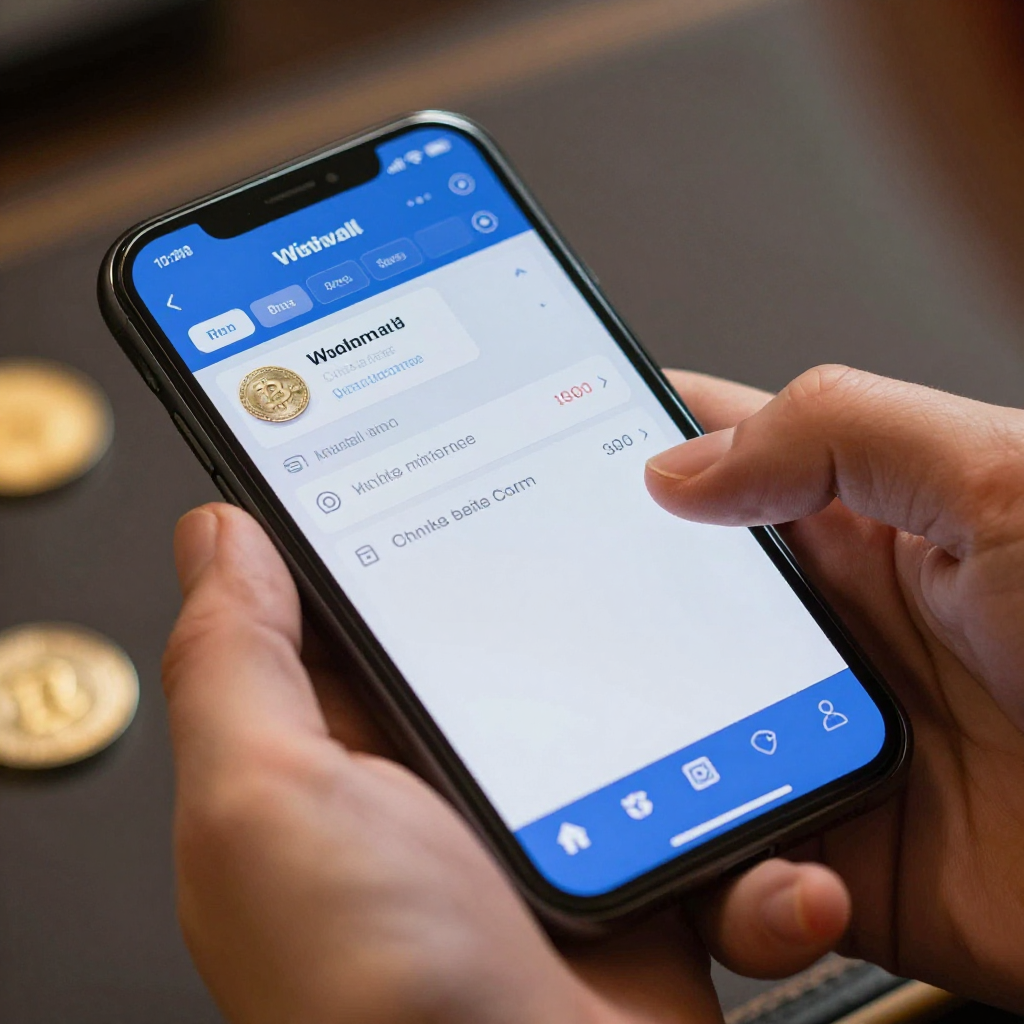
Not every coin behaves the same way inside a casino environment, and this trips people up more than you'd expect. Bitcoin remains the most widely accepted option but can suffer from higher fees and slower confirmations when the network's congested. Ethereum processes faster but comes with its own gas fee volatility. Stablecoins like USDT have gotten popular for good reason — they sidestep the price swings that can quietly eat into your bankroll between deposit and withdrawal. Litecoin, meanwhile, gets praised often for cheap, quick transactions that suit smaller stakes just fine.
Whichever coin you go with, set up a dedicated wallet rather than using an exchange account directly. It gives you more control over your private keys and sidesteps withdrawal restrictions some exchanges quietly impose. And always double-check network fees plus expected confirmation times before you initiate a deposit — especially during periods of heavy blockchain traffic, when things can slow to a crawl.
Bonuses, Game Selection, and Responsible Gambling
Welcome bonuses at crypto casinos can look tempting on the surface, but the wagering requirements attached often tell a very different story. I always read the fine print — maximum bet limits while wagering, game contribution percentages, withdrawal caps tied to bonus funds — before accepting anything. A smaller, more transparent bonus usually beats a flashy one buried under restrictions nobody bothers to mention upfront.
As for game selection, most reputable crypto casinos offer the usual mix: slots, live dealer tables, and provably fair originals like dice, crash, and plinko-style games that feel unique to the crypto space. Whatever you end up playing, responsible gambling tools still apply here just as much as on traditional platforms — maybe more, given how fast things move. Set deposit limits. Use self-exclusion features if you need a break. And don't hesitate to reach out to GamCare or BeGambleAware if things start feeling less like fun and more like pressure.
Choosing the right crypto casino in 2026 really comes down to a handful of non-negotiables: verified licensing, solid security practices, genuinely fast and reliable payouts, and a platform that takes responsible gambling seriously instead of just paying lip service to it. Flashy bonuses and slick marketing will always be there — they're not going anywhere. But they shouldn't be the deciding factor. Do the homework first: check the license, read the reviews, test the withdrawal process with a small amount before going big. You'll save yourself a lot of frustration down the line.