
How UK Crypto Casinos Are Leveraging Blockchain Energy Solutions in 2026
How UK Crypto Casinos Are Leveraging Blockchain Energy Solutions in 2026

I've spent a fair bit of time this year digging into the intersection of gambling technology and sustainability, and honestly, it's a more fascinating rabbit hole than I expected. The UK's crypto gambling scene has quietly become one of the more interesting test beds for green blockchain innovation, and 2026 seems to be the year this conversation finally moved from niche forums into mainstream operator strategy.
The Rise of Sustainable Blockchain Gambling in the UK
There's a shift happening across the UK's online gambling sector that goes beyond flashy new games or faster payouts. Operators are being pushed—by regulators, by players, and frankly by their own investors—to think seriously about the environmental cost of running blockchain-based platforms. A few years ago, nobody really asked how much electricity was behind a winning spin. Now it's a legitimate question, and one that's starting to shape which platforms succeed in a crowded market.
This isn't just PR fluff either. UK consumers, particularly younger ones who grew up with climate anxiety baked into their worldview, genuinely care about where their entertainment dollars (or pounds, I suppose) end up environmentally. That consumer pressure, paired with tightening ESG expectations from institutional backers, has created real momentum for change.
Why Energy Consumption Matters for Online Gambling Infrastructure
Here's the thing most players never think about: every bet placed, every payout processed, every smart contract executed on a blockchain requires computational power. That power doesn't come from nowhere. For platforms built on proof-of-work networks, the energy demands can be substantial, especially during peak usage hours when thousands of transactions are competing for validation simultaneously.
Blockchain Verification and Transaction Costs
Each wager logged on a decentralized ledger involves a verification process that consumes electricity, and this scales in a way that's not always intuitive. A platform with modest traffic might have negligible impact, but as popularity grows and network congestion increases, so does the energy footprint per transaction. It's a bit like traffic jams—more cars, more fuel burned, more frustration all around.
Regulatory Pressure in the UK Gambling Sector
UK regulators haven't exactly written a comprehensive rulebook for blockchain energy disclosure yet, but the pressure is building. ESG-focused investors are increasingly asking operators uncomfortable questions about carbon reporting, and I suspect it's only a matter of time before the Gambling Commission or similar bodies start weaving sustainability metrics into licensing conversations more formally.
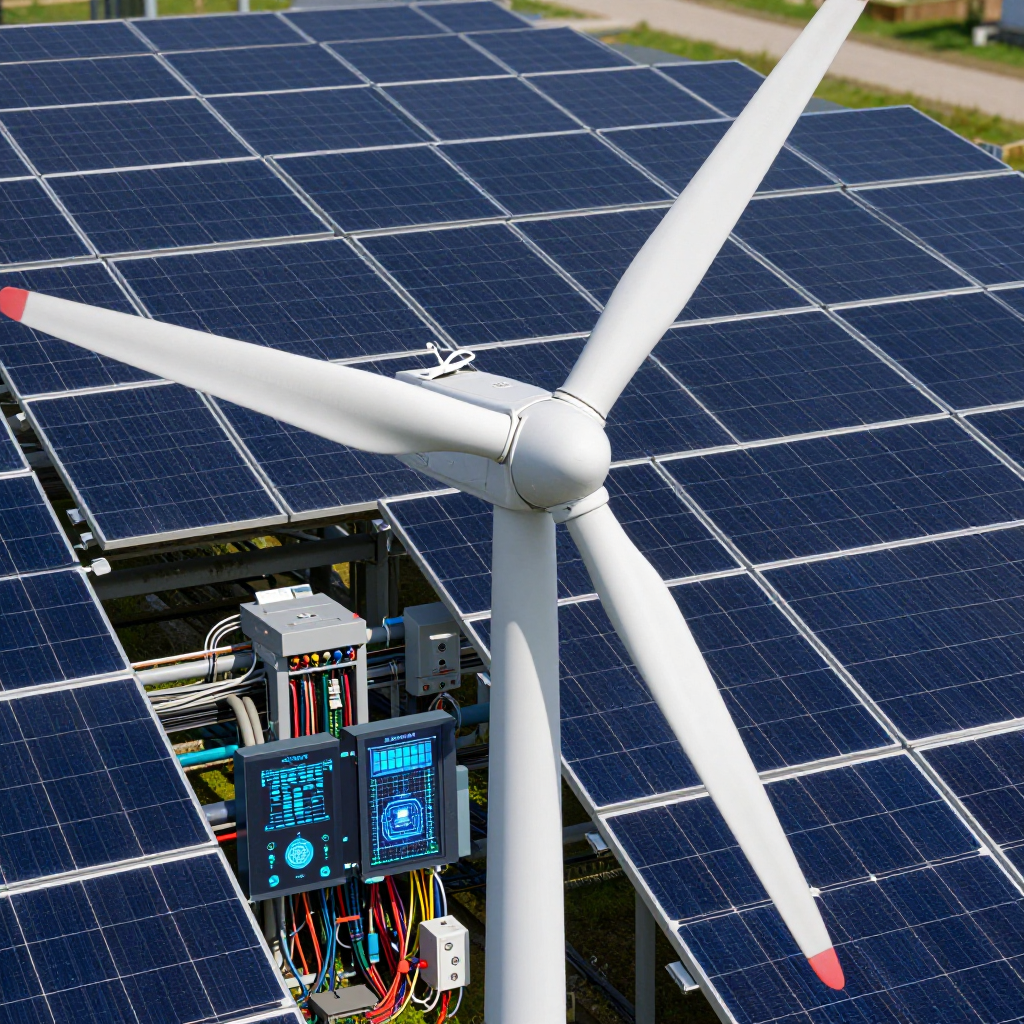
Introducing the Powerbase Project: A Model for Sustainable Power in Digital Infrastructure
One initiative that keeps coming up in these discussions is the Powerbase Project. It's not a gambling company itself, but rather a broader effort focused on scalable, low-carbon energy solutions designed for exactly the kind of high-demand digital infrastructure that blockchain gambling relies on. Forward-thinking operators are increasingly looking at how a modern crypto casino can integrate renewable energy sourcing, drawing inspiration from initiatives like the Powerbase Project, which focuses on scalable clean power solutions for digital infrastructure.
Core Objectives of the Powerbase Project
From what I've gathered, the project's mission centers on developing decentralized energy grids that reduce reliance on carbon-heavy power sources. The idea is to support digital ecosystems—data centers, blockchain networks, and the servers behind live betting platforms—with cleaner, more efficient power that can scale alongside demand rather than fighting against it.
How UK Crypto Casinos Are Adopting Green Energy Practices
Talk to anyone working in this space and you'll hear similar themes emerging across UK-facing platforms: renewable energy partnerships, smarter network protocols, and a general push toward efficiency that wasn't nearly as prioritized even three years ago.
Shift Toward Proof-of-Stake and Layer-2 Solutions
One of the more meaningful technical changes has been the migration away from energy-hungry proof-of-work systems toward proof-of-stake protocols and layer-2 scaling solutions. These newer approaches require dramatically less computational power to validate transactions, which matters enormously when you're processing thousands of bets per hour without wanting to torch a small country's worth of electricity to do it.
Data Center Efficiency and Renewable Partnerships
On the hosting side, I've noticed more UK operators explicitly sourcing power from wind, solar, or hydro providers to run the servers behind live dealer games and RNG systems. It's not universal yet, but it's becoming a genuine selling point rather than a footnote buried in a sustainability report nobody reads.
Benefits for Players and the Industry
The advantages here go both ways. Environmentally, obviously, there's less strain on power grids and lower carbon output. But there's also a trust dimension that shouldn't be underestimated—players increasingly want transparency about where their gaming platforms source energy, and operators who deliver that openly tend to build stronger, more loyal user bases. In a market as saturated as UK online gambling, that kind of differentiation matters.
Common Misconceptions About Blockchain Gambling and Energy Use
There's a persistent myth that all blockchain platforms are equally energy-intensive, which just isn't accurate anymore given how much protocol design has diversified. Another misconception is that sustainability claims are purely marketing dressing with no substance behind them. In reality, third-party audits and verified initiatives are increasingly holding operators accountable, separating genuine progress from empty greenwashing.
What This Means for the Future of UK Online Gambling
Looking ahead, I think sustainable energy innovation—projects like Powerbase being a good example—will increasingly influence licensing standards, player expectations, and the technological roadmap for UK gambling operators. It's still early days, but the direction feels clear enough: energy transparency isn't going away, and the platforms that embrace it now will likely be better positioned for whatever regulatory shifts come next.